Proximity of Care and our work
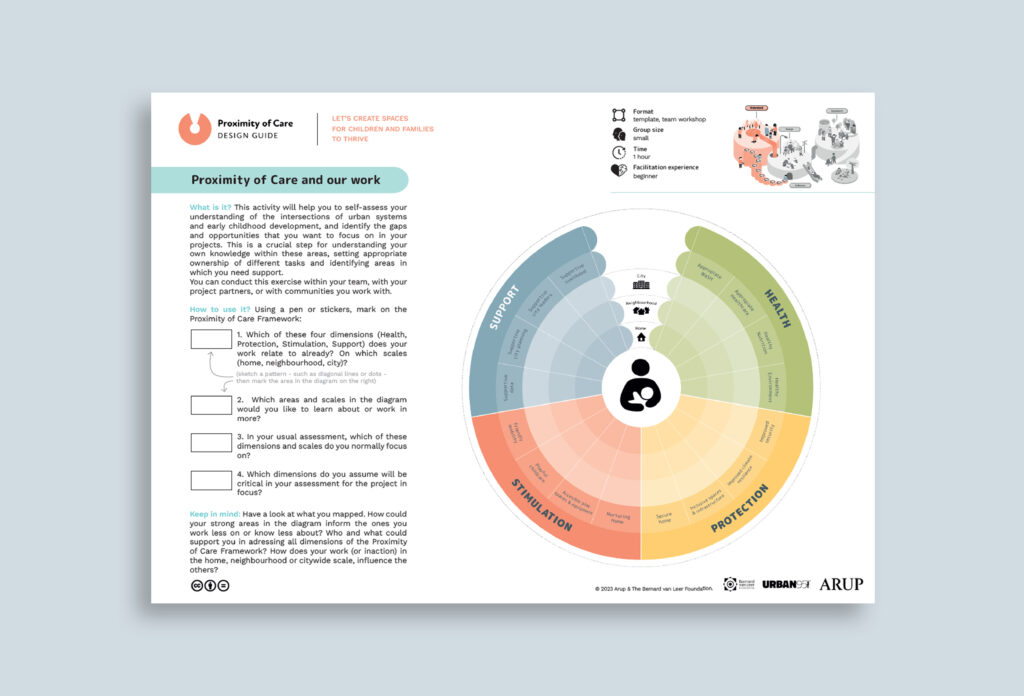
The “Proximity of Care and our work” activity will help you to self-assess your understanding of the intersections of urban systems and early childhood development and identify the gaps and opportunities that you want to focus on in your projects.
Child development officers in Tel Aviv
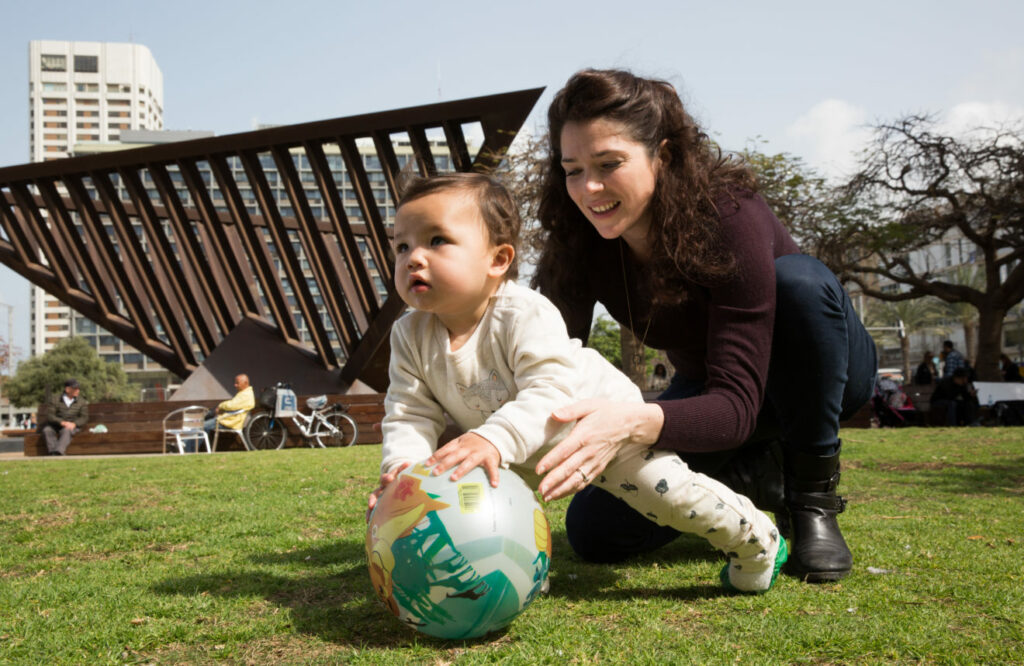
Overview In Tel Aviv the city is working on early childhood initiatives cutting across childcare, parks, recreation and transportation. The city has put in place a child development officer who coordinates a joint workplan for early childhood development across city departments. The joint work includes a steering committee with senior leadership from each department helping […]
Snapshot: Proximity of Care
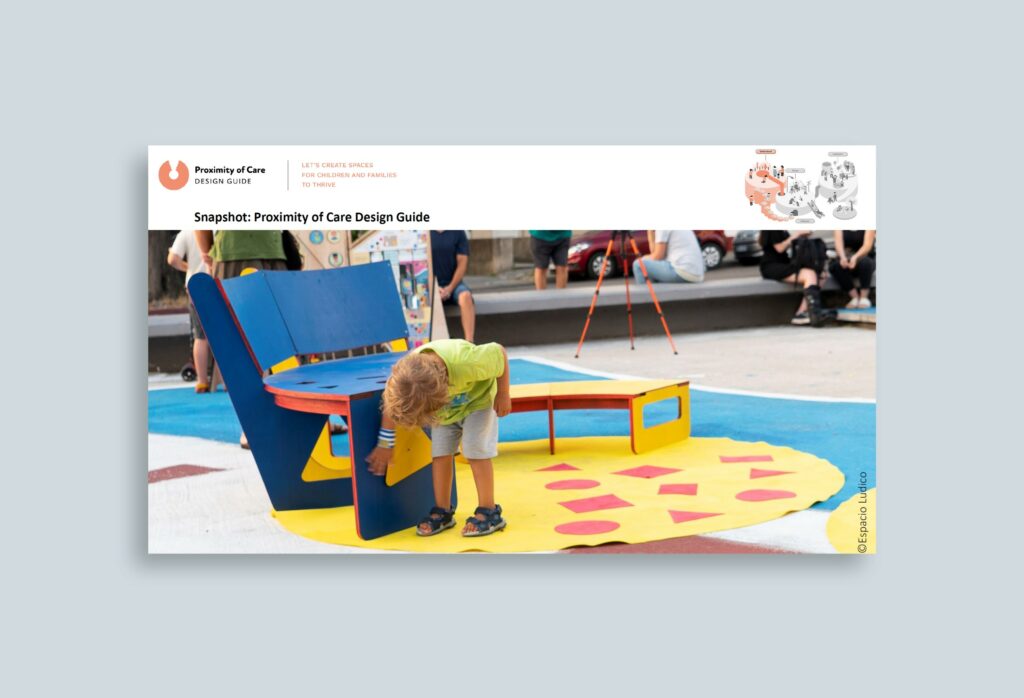
Snapshot: Proximity of Care is a slide deck that can give you a quick overview of the Proximity of Care framework.
Health through improved flooring
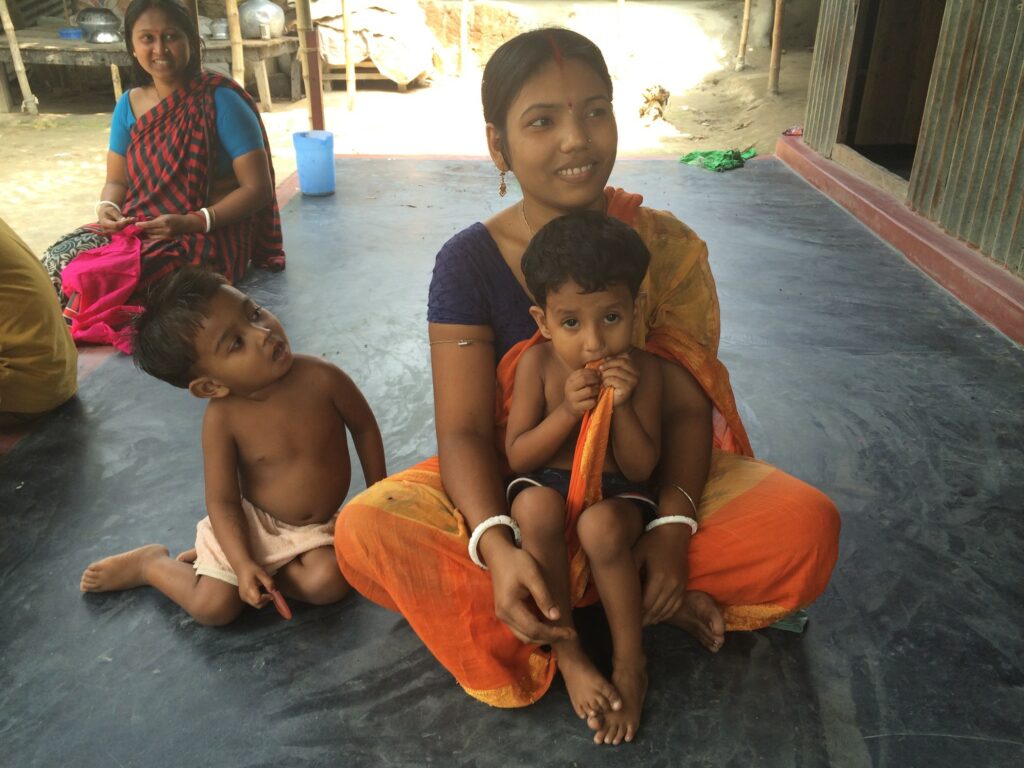
Overview The initiative tackles the problem of disease caused by dirt floors in homes where children under 5 are most vulnerable. This is achieved by replacing dirt floors with new cement floors and providing educational workshops on disease prevention in the home. Location:Bangladesh Organisation:ARCHIVE Global (Architecture for health) Partner organisations:ADESH, BRAC University Beneficiary:Children ages 0-5 […]
Coordinating national policy for children
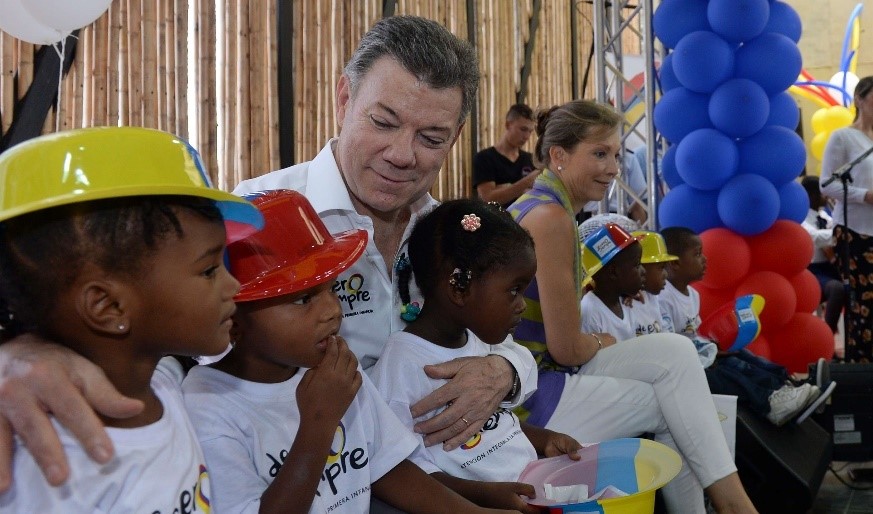
Overview De Cero a Siempre (From Zero to Forever) is a national strategy for the comprehensive care of childhood and early childhood in Colombia. It is a set of nationally and territorially planned actions aimed at promoting and guaranteeing the development of children in early childhood. It brings together policies, programmes, projects, actions and services […]
Safe and playful routes for children
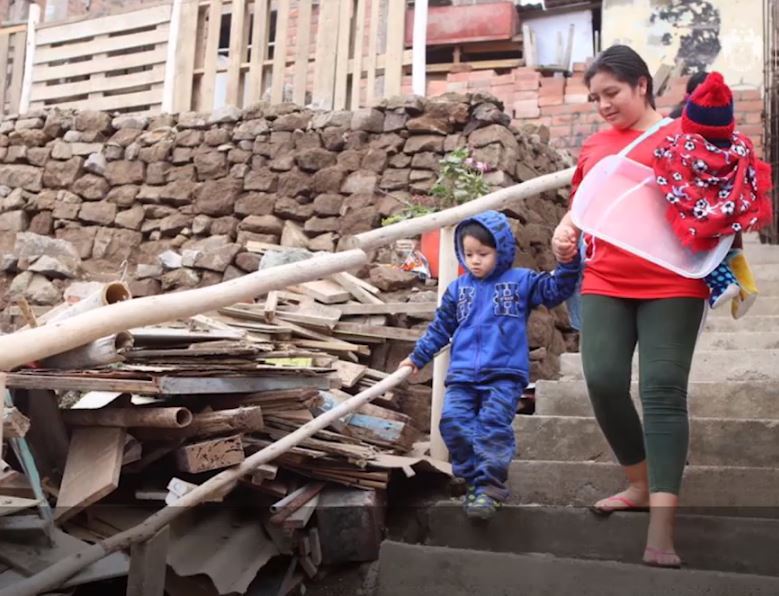
Overview Families living in the hilly neighbourhood of Alto Perú, Chorillos, Lima, used to take a circuitous and expensive moto-taxi route instead of walking the short distance with their toddlers due to the steep, uneven path strewn with garbage. Through the Urban95 program and collaboration with local residents, the intervention developed a cleaned-up route with […]
A playful park renovation
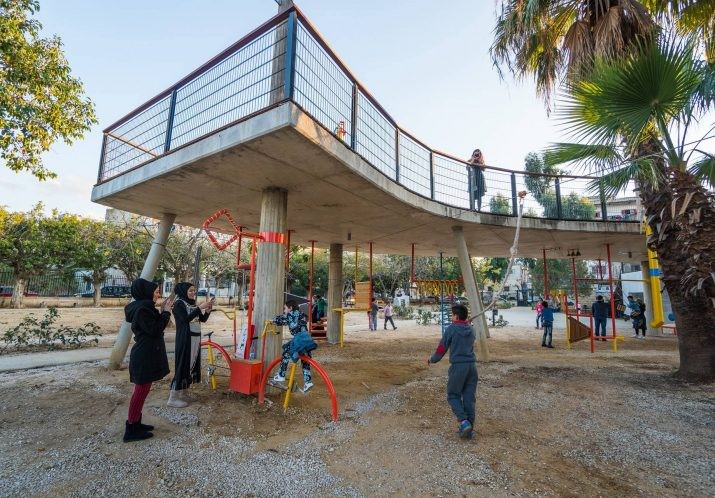
Overview Karantina Play Garden is a public park renovation in a low-income neighbourhood in Beirut’s northeast, aimed to create a meeting point for children and diverse communities through community participation and engagement. The intervention produced play elements to animate the park and emphasized the importance of community ownership of public space in placemaking. Location:Al-Mudaww district, […]
Tactical citizen participation
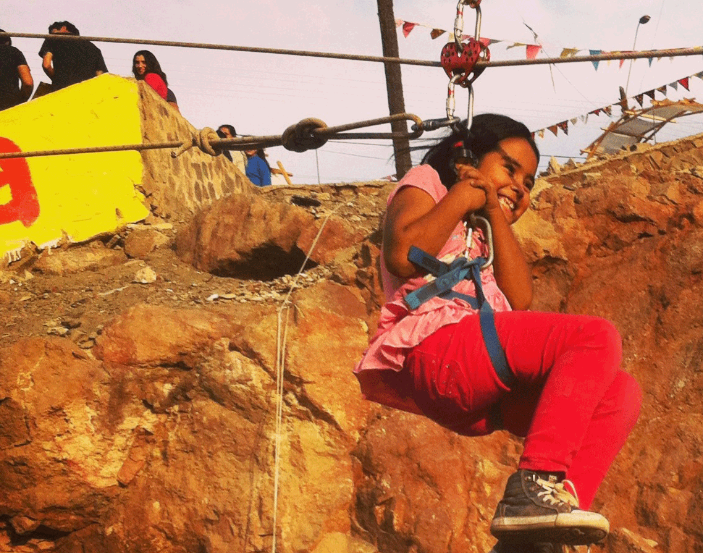
Overview Okuplaza is an evidence-based planning approach developed by Ciudad Emergente that has been piloted in several cities across Latin America and the United States. The approach uses a tactical urbanism methodology that consists of short-term actions aimed at influencing long-term planning processes. By triggering processes of citizen participation and gathering urban data and indicators, […]
Designing a network of public spaces
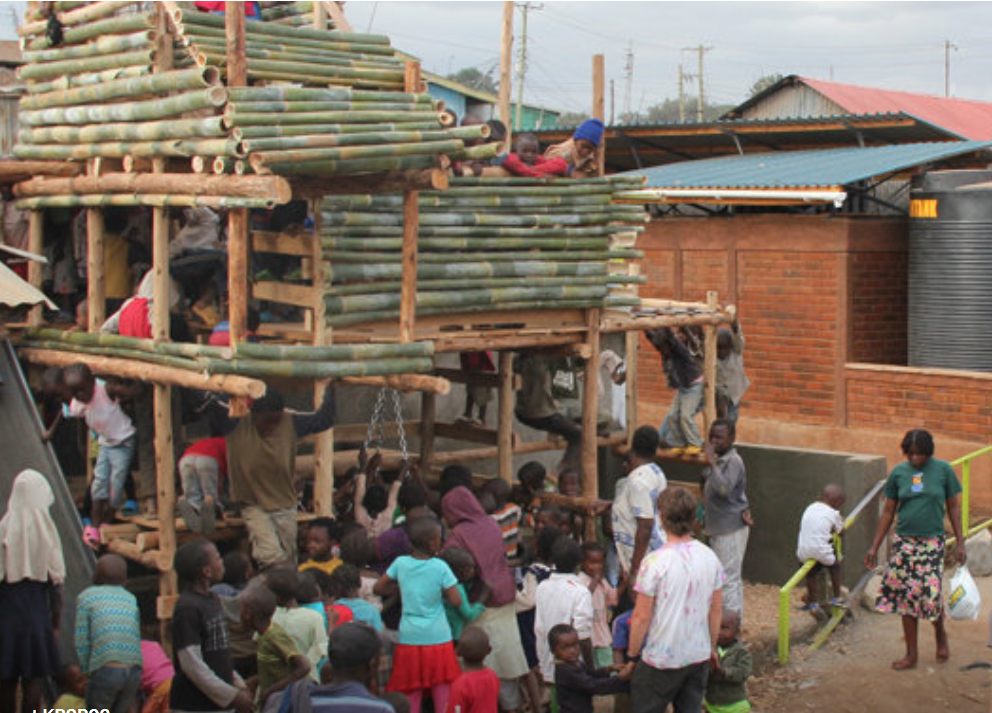
Overview A growing network of public spaces has been developed to meet the physical, social, and economic needs of the residents of Kibera, one of Africa’s largest informal settlements. The interventions include a range of facilities such as an organic garden and vegetable stand, a playground, a park, an office, a multi-purpose gathering space, showers, […]
Converting streets into play spaces
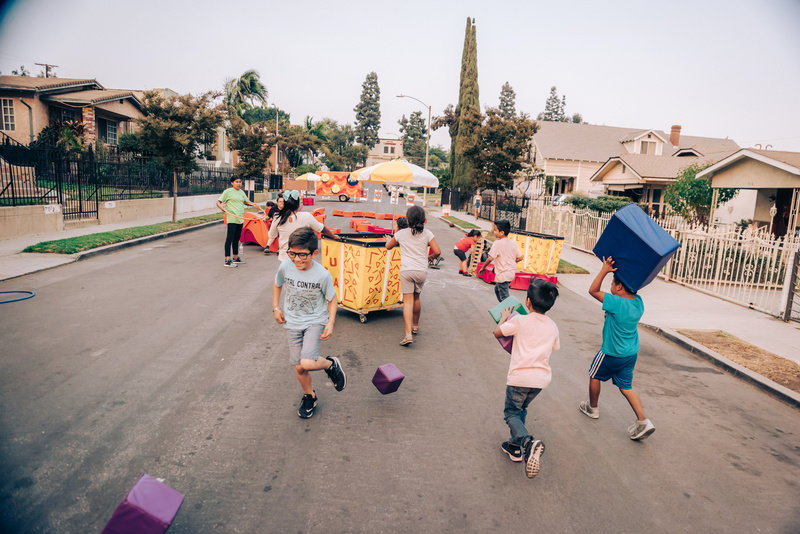
Overview Los Angeles is infamous for its car culture, and the resulting pollution and safety issues are significant public health concerns. The ‘Play Streets’ program seeks to enable residents to temporarily close neighbourhood blocks to traffic and convert them into spaces for recreation, exercise, and gathering. Through this temporary occupation of otherwise car-dominated space, the […]
Activating a network of play spaces
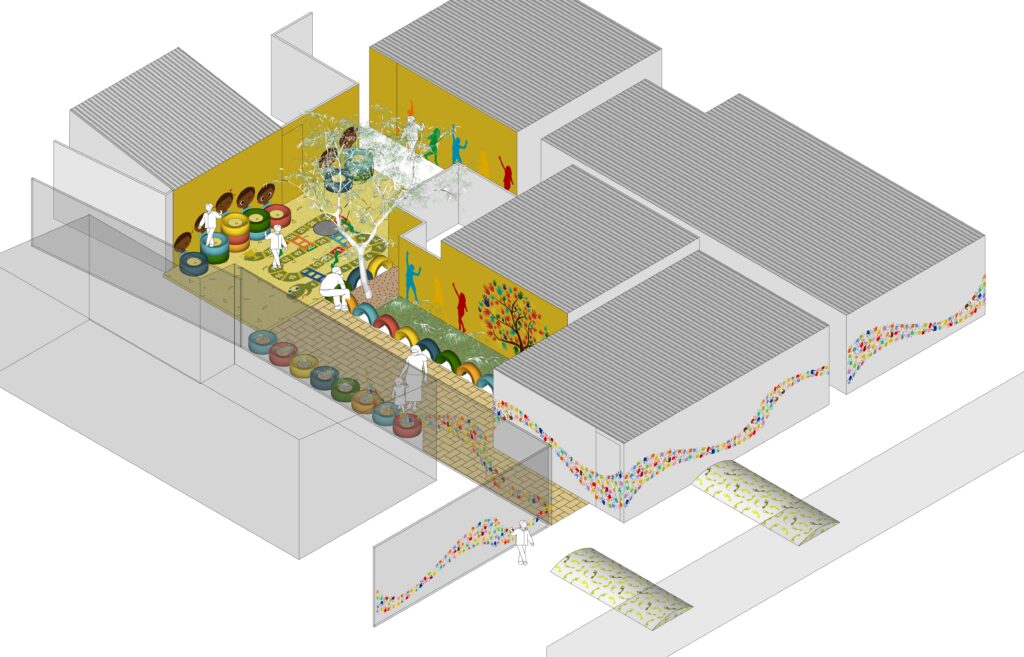
Overview The Khayelitsha informal settlement faces challenges of gang violence, environmental hazards, and long commute times that hinder children’s ability to play independently and with caregivers. Through participatory assessments and co-creation workshops with children and their caregivers, an opportunity to increase learning-through-play activities was identified. The activation of a Network of Play Spaces involves upgrading […]
Designing public spaces with children
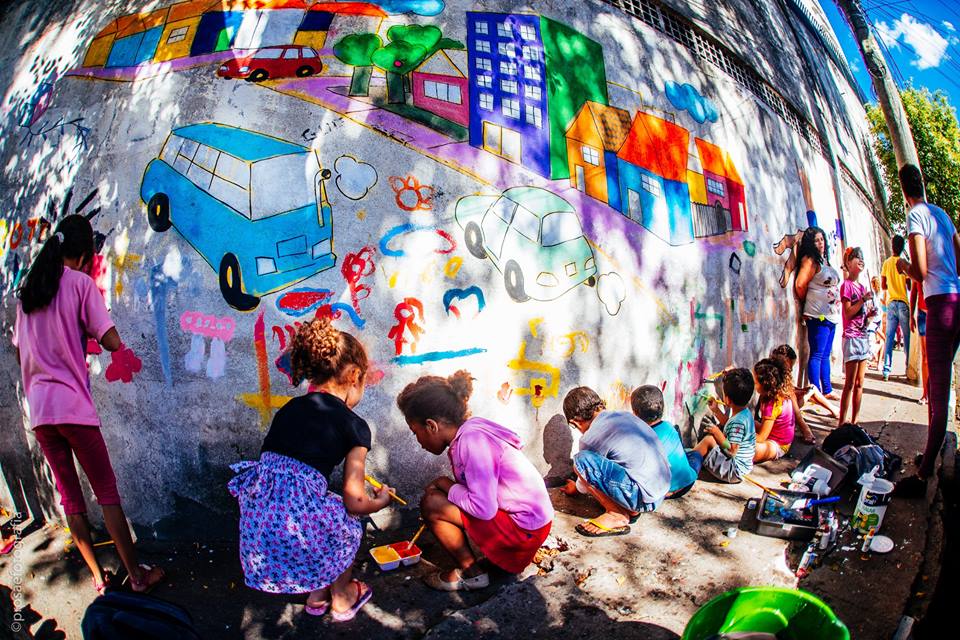
Overview The Criança Fala program, established by the Bernard van Leer Foundation, responds to the high levels of deprivation in the peripheral areas of São Paulo. With a focus on improving children’s skills and autonomy and making public spaces safer for the community, the program listens and responds to the concerns of children regarding public […]
A community and play-centred school
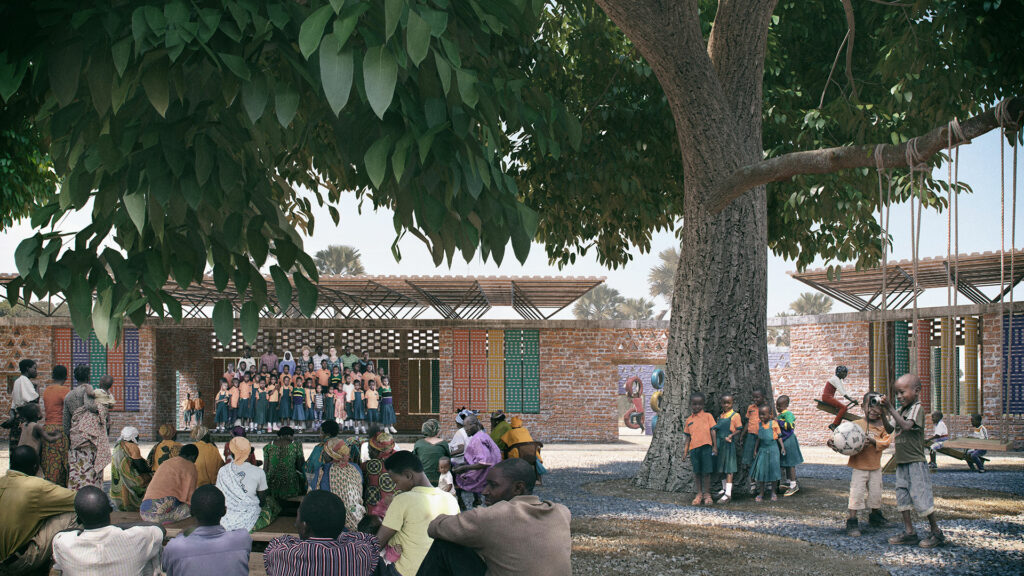
Overview Ulyankulu School, Tanzania, is a community-centered and play-based educational village. It features a unique teaching model centered around a theatre space, with the audience seated in a central courtyard shaded by trees. The school also encourages social activities involving the town. Location:Ulyankulu, Tanzania Organisation:WAYAiR Foundation Partner organisations:Jeju, Caritas Tabora, ARH+ Beneficiary:Children all ages, Caregivers […]
Gamified app promoting active travel to school
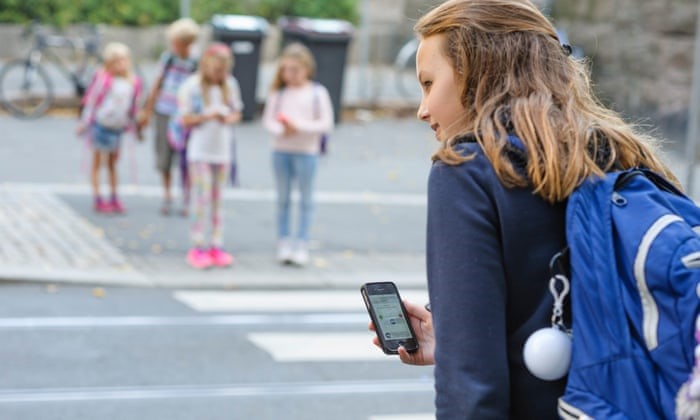
Overview The smartphone app gamifies the collection of road safety data with the aim of encouraging children to walk and cycle to school, while improving the city’s walking infrastructure and reducing car use. The app “casts” primary-school age users as secret agents who compile and send reports of their everyday journey to school. The data […]
A digital platform for caregivers
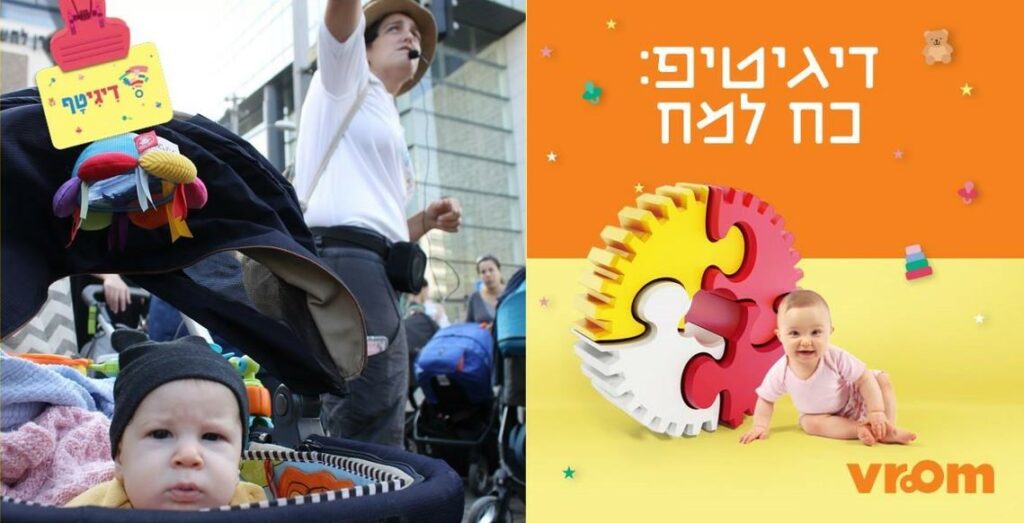
Overview Part of the Urban 95 program, Digitaf is a digital platform designed for parents with young children to help them find local facilities, public events, municipal services and discounts from local shops. Since its launch in December 2017, every child born in Tel Aviv has received a Digitaf card that provides access to useful […]