KABOOM! & Gehl: Understanding Impact
Check the tool Understanding Impact by KABOOM! and Gehl, an evaluation study of play spaces that can inspire you to create your own evaluation framework.
Brookings Institute & Playful Learning Landscapes: Metric framework
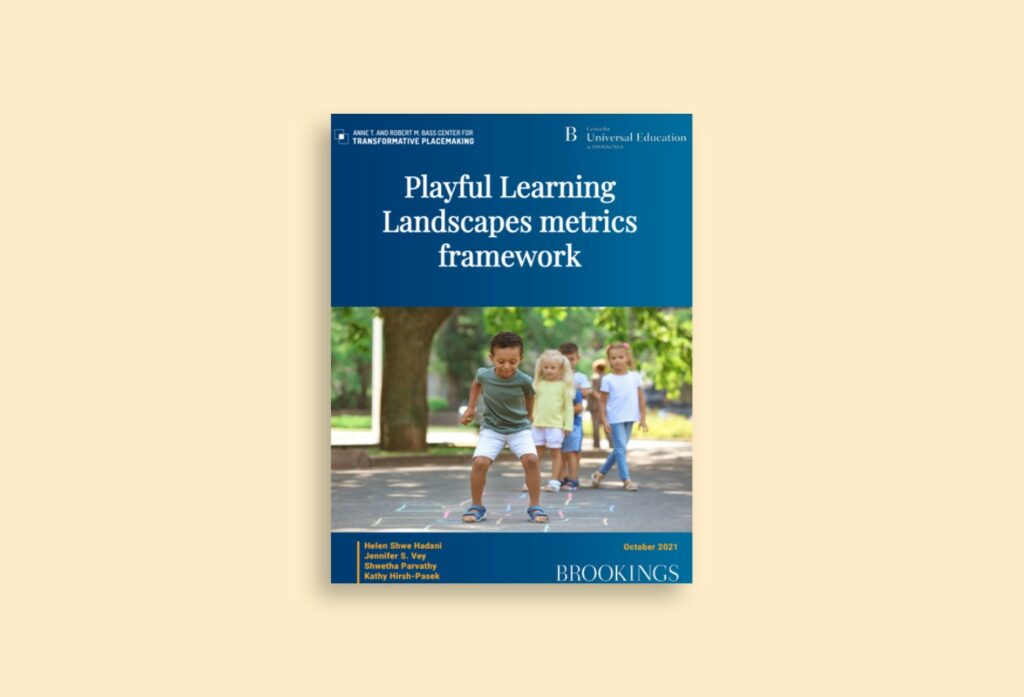
Check the Metric Framework developed by Playful Learning Landscapes and Brookings Institute for measuring the outcomes of playful learning in public and shared spaces.
BvL & Global Designing Cities Initiative: The Reverse Periscope Companion Guide
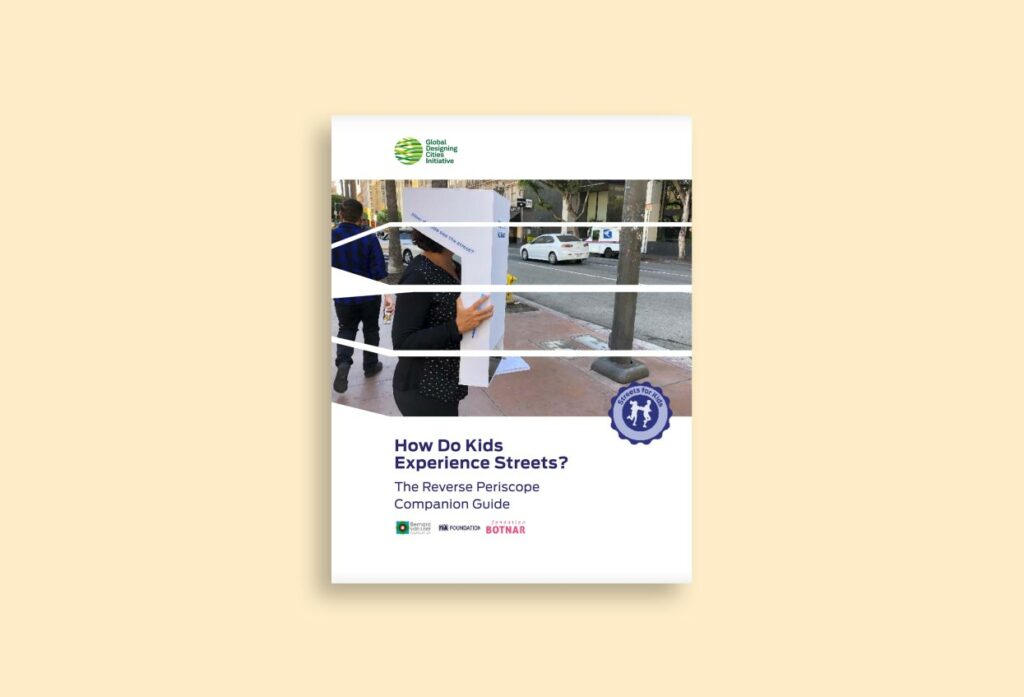
The Reverse Periscope Companion Guide is a do-it-yourself instruction that will help you experience the sightlines, hazards, uncertainties, and unique and surprising aspects of the world from a 95cm height – the average height of a healthy 3-year-old.
ITDP: Pedestrians First
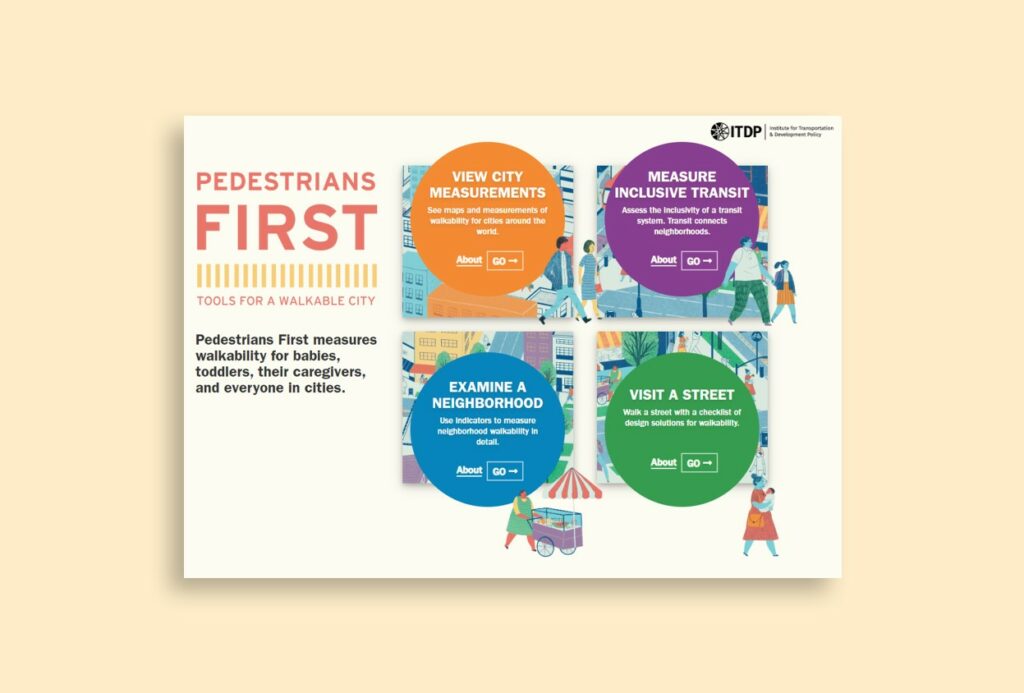
Pedestrians First is a tool that offers practical indicators for measuring walkability for babies, toddlers, their caregivers and everyone in cities.
Urban95 and Gehl: Toolkit – For measuring urban experiences of young children
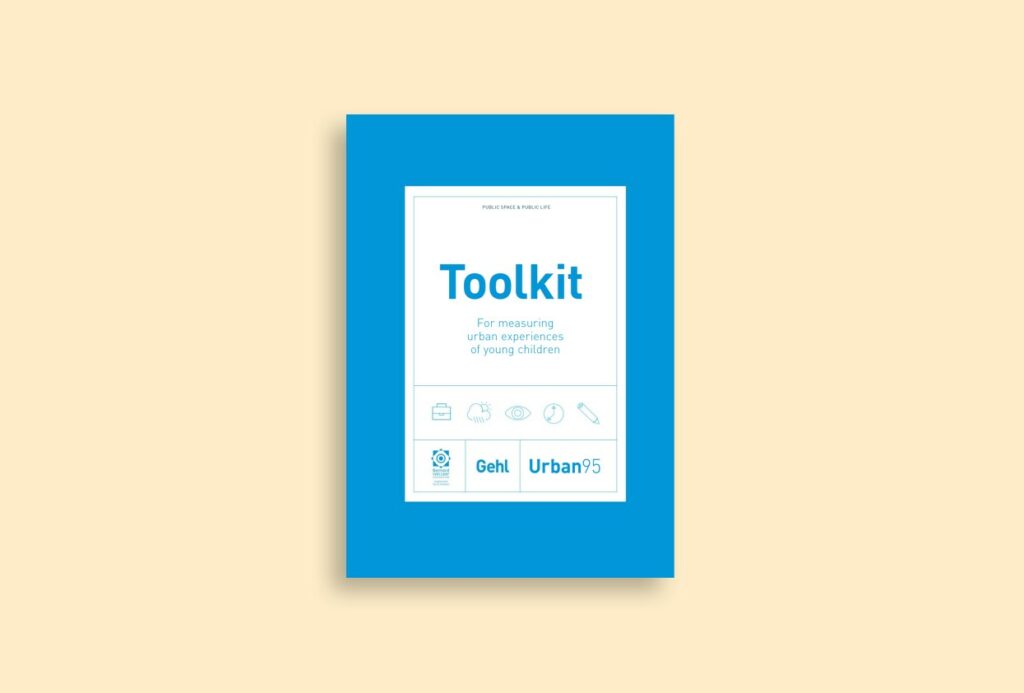
Urban95 and Gehl’s Toolkit – For measuring urban experiences of young children offers practical tools for site observation, primary data collection and analysis.
Designing Better Places for Early Childhood Development in Vulnerable Urban Contexts
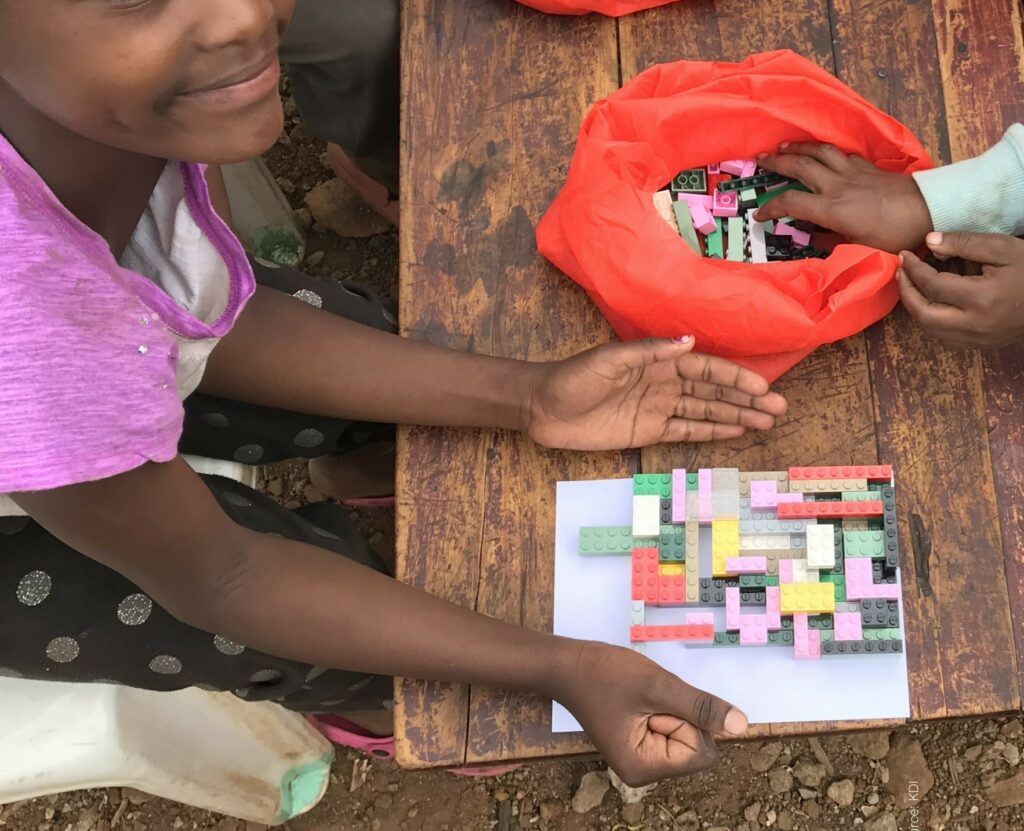
Overview Location:Kibera, Nairobi, Kenya Organisation:Kounkuey Design Initiative (KDI) Partner organisations:Local communities in Kibera; ARUP; Swedish Research Council; Bernard Van Leer Foundation Year:2020-2022 Scale of proximity:Household; Neighbourhood; City Target beneficiaries:Children 0-5; Caregivers Encouraging children to reimagine public spaces through interactive design Children are often the least served by public infrastructure and most affected by issues such […]
Designing play spaces to connect refugees and host communities
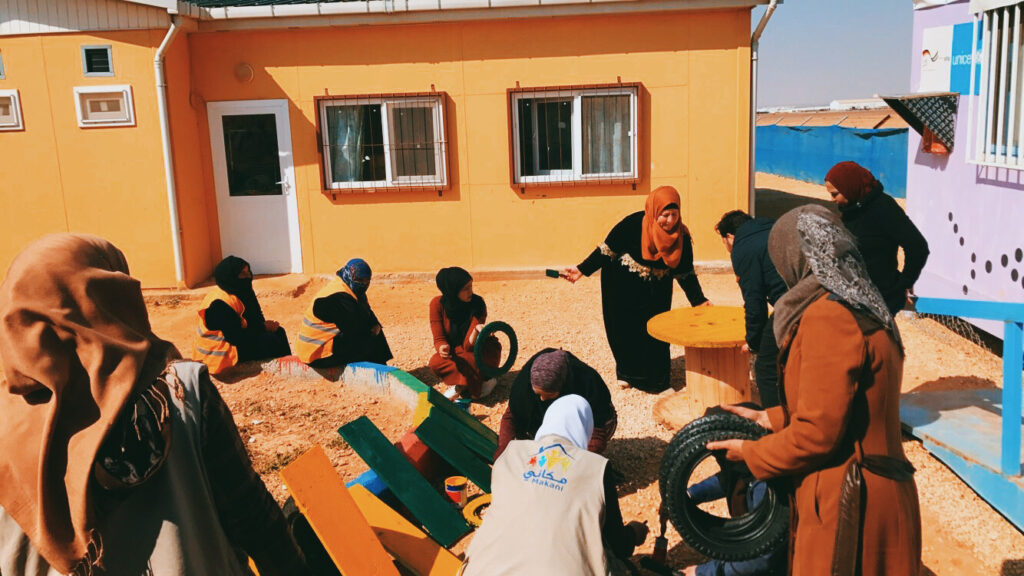
Overview Location:Azraq, Jordan Organisation:Civic Jordan (Majlisna) Partner organisations:Bernard van Leer Foundation; New Azraq Municipality; local CBO’s Year:2021 Scale of proximity:Neighbourhood Target beneficiaries:Children 0-6; Caregivers Connecting refugee camps and host communities through play spaces Play is a powerful tool for supporting a child’s development, and public play spaces can create nurturing environments that benefit the whole […]
Proximity of Care Approach in Vulnerable Urban Contexts
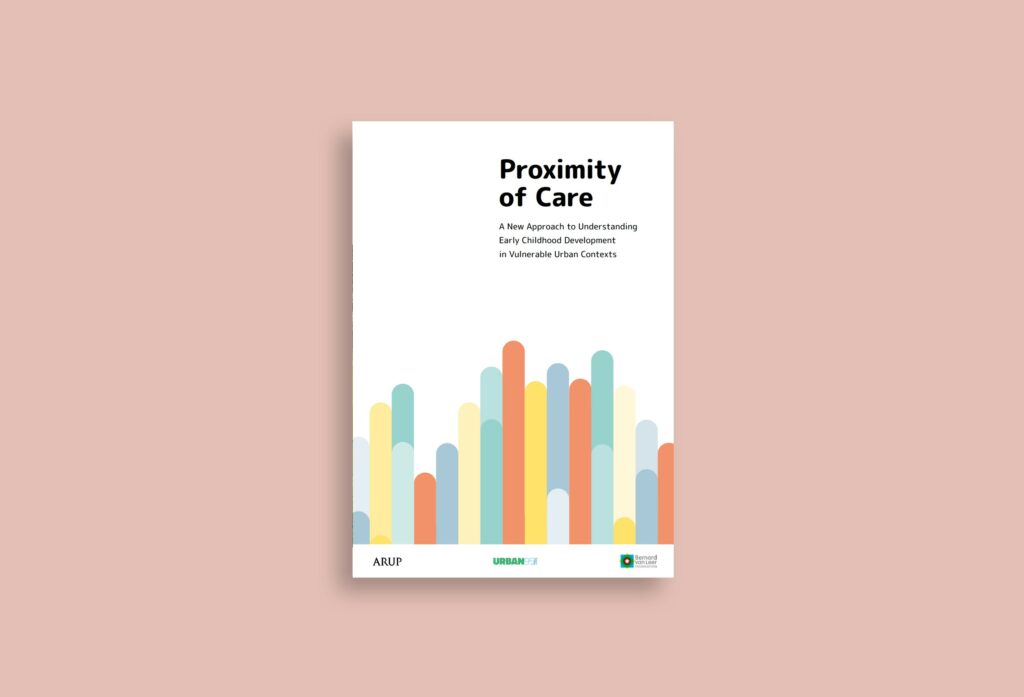
Published in 2021, this report was part of the first version of the Proximity of Care approach which focussed specifically on the challenges and opportunities confronting early childhood development in vulnerable urban contexts. Derived from specialised research by Arup and the Bernard van Leer Foundation (BvLF), this report was developed to better understand the needs […]
A child-focused approach to urban design in fast-growing neighbourhoods
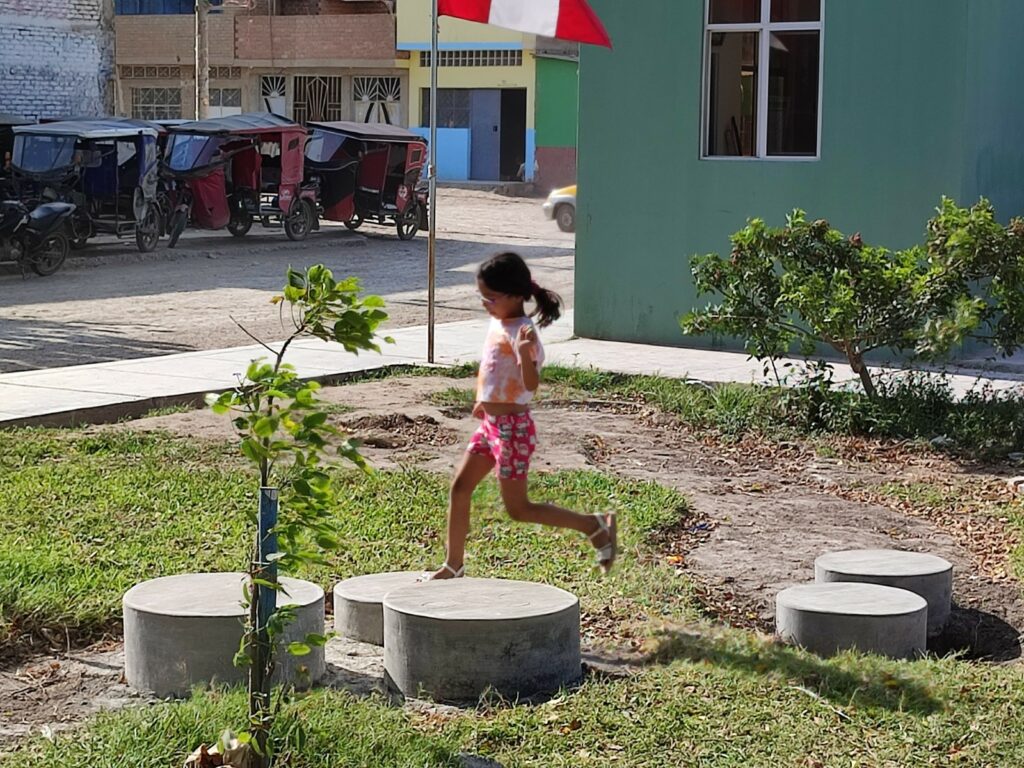
Overview Location:Chiclayo, Peru Organisation:Arup Partner organisations:Ocupa Tu Calle; Peaton Cix; Urrunaga community group Year:2021- 2022 Scale of proximity:Neighbourhood Target beneficiaries:Children 0-5; Children 5+; Pregnant women; Caregivers A child-focused approach to improving public spaces in Peru Urrunaga is a rapidly developing “young neighborhood” in Chiclayo, Peru, presenting both challenges and opportunities to embed a strategic child-focused […]
Proximity of Care Site Assessment Report: Cuenca, Ecuador
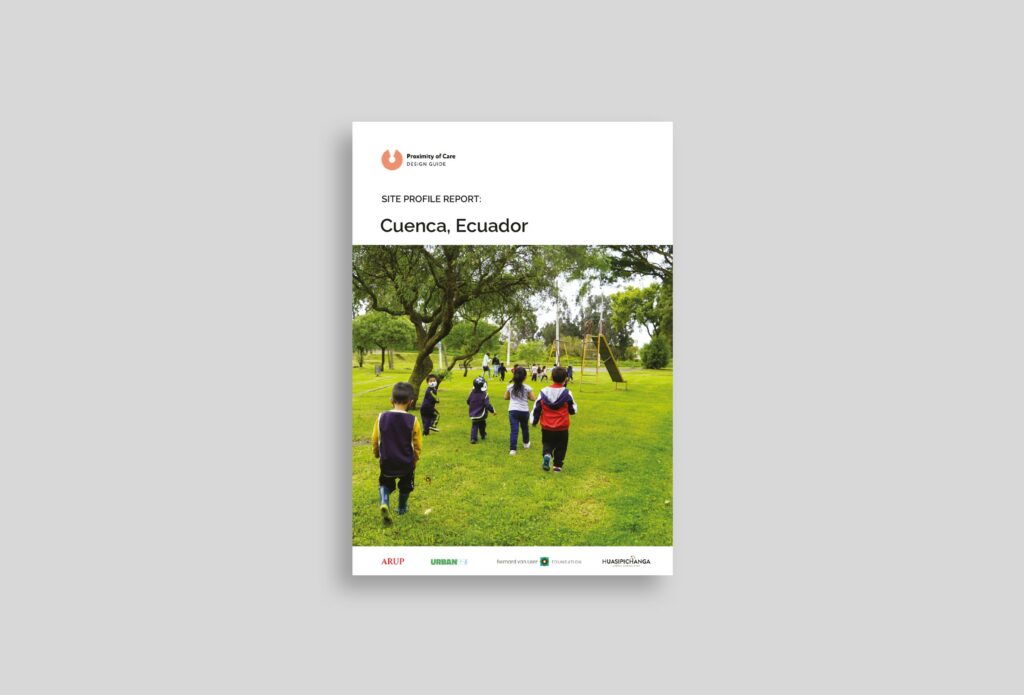
As part of the Proximity of Care Design Guide 2022 training programme run by Arup in partnership with the Bernard Ban Leer Foundation and 100 Vision, Huasipichanga conducted a site assessment report within the city of Cuenca, Ecuador, using the Proximity of Care approach. https://www.huasipichanga.com/
Proximity of Care Site Assessment Report: Montevideo, Uruguay
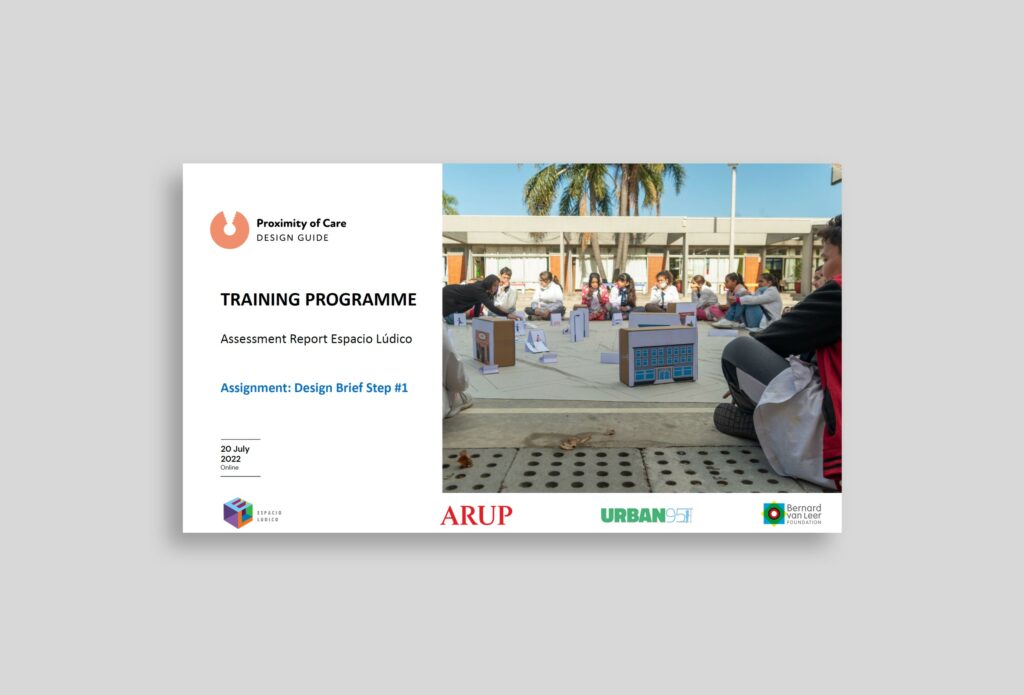
As part of the Proximity of Care Design Guide 2022 training programme run by Arup in partnership with the Bernard Ban Leer Foundation and 100 Vision, Espacio Ludico conducted a site assessment report within the city of Montevideo, Uruguay, using the Proximity of Care approach. https://www.espacioludico.org/
Proximity of Care Site Assessment Report: Niterói, Brazil
As part of the Proximity of Care Design Guide 2022 training programme run by Arup in partnership with the Bernard Ban Leer Foundation and 100 Vision, Estudio +1 conducted an assessment report of the neighbourhood of Jurujuba in Niterói, Brazil, using the Proximity of Care approach. https://estudiomaisum.com/
Proximity of Care Site Assessment Report: Validivia, Chile
As part of the Proximity of Care Design Guide 2022 training programme run by Arup in partnership with the Bernard Ban Leer Foundation and 100 Vision, Ciudad Emergente conducted a site assessment report within the town of Validivia, Chile, using the Proximity of Care approach. https://ciudademergente.org/
Proximity of Care Site Assessment Report: São Paulo, Brazil
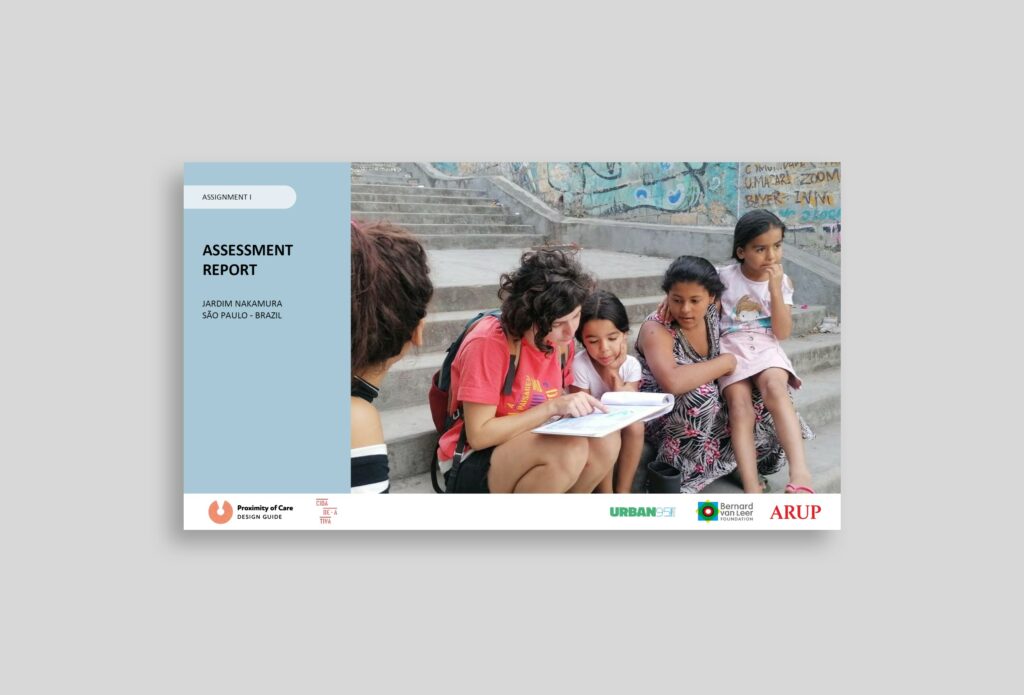
As part of the Proximity of Care Design Guide 2022 training programme run by Arup in partnership with the Bernard Ban Leer Foundation and 100 Vision, Cidade Ativa conducted a site assessment report within the neigbourhood of Jardim Nakamura in São Paulo, Brazil, using the Proximity of Care approach. www.cidadeativa.org
Proximity of Care Site Assessment Report: Vig, Denmark
As part of the Proximity of Care Design Guide 2022 training programme run by Arup in partnership with the Bernard Ban Leer Foundation and 100 Vision, arki_lab – Designing Cities With People conducted a site assessment report of the town of Vig, Denmark, using the Proximity of Care approach. www.arkilab.dk