The Illusion of “Hot” and “Cold” Machines
One of the most pervasive myths in the gambling community is the belief that slot machines can be classified as “hot” or “cold.” Players often think that certain machines are on a winning streak, while others have become stagnant. This misconception can lead players to waste time and money chasing what they believe to be a “hot” machine, while ignoring others that may actually offer valuable insights like nrl betting tips for making smarter decisions. In reality, slot machines operate on random number generators, which means that each spin is independent of the last and offers equal chances of winning regardless of past outcomes.
This misunderstanding is compounded by the excitement surrounding jackpot payouts. When players witness someone hitting a significant win, they may assume that the machine will continue to pay out, or conversely, that a machine that hasn’t paid out recently is due for a win. Such beliefs can create a false sense of confidence, leading to poor betting strategies that are based on luck rather than facts. It’s crucial to approach slot machines with the understanding that they are purely games of chance.
Moreover, the casino environment is designed to heighten these illusions, using lights and sounds to celebrate wins and create an exciting atmosphere. This psychological manipulation can cloud judgment and influence betting behavior. Players are encouraged to recognize that despite the thrilling nature of the game, all outcomes are statistically governed, and there’s no strategy that can convert that randomness into dependable winnings. Understanding the mechanics behind slot machines can help players make informed decisions rather than getting caught up in the allure of perceived patterns.
The House Always Wins Myth
The saying “the house always wins” is often presented as an absolute in the gambling world. While it’s true that casinos have a built-in advantage due to the house edge, this myth oversimplifies the reality of gambling outcomes. Numerous players leave casinos with winnings that can outweigh their initial investments. Variance and luck can lead to successful gaming sessions, creating an illusory perception that beating the house is impossible. Many gamblers experience significant wins, whether through strategic play or sheer luck.
Furthermore, the house edge varies between different games. For instance, skilled players can reduce the house edge significantly in games like blackjack by employing effective strategies, such as card counting. While it doesn’t guarantee winnings, it certainly enhances the likelihood of success compared to less strategic play. Poker is another example where players are pitted against each other rather than the house itself, allowing for the possibility of winning based on skill rather than relying solely on chance.

This myth can deter potential gamblers from participating, as they may feel hopeless before even trying. Understanding that gambling outcomes can be influenced by skill and strategic thinking invites a more balanced view of the gaming experience. Players should embrace the unpredictable nature of gambling while also recognizing potential for success through informed decisions and gameplay strategy. By demystifying this notion, players can approach their gaming experience with a more realistic and hopeful perspective.
Myths About Gambling Addiction
Another common myth surrounding gambling involves the misconception that all gamblers are addicted or that all gambling leads to addiction. While there are certainly individuals who struggle with compulsive gambling behavior, it is essential to clarify that the vast majority of gamblers engage in the activity responsibly and for entertainment purposes. Labeling all gamblers as addicts oversimplifies a complex issue and stigmatizes those who enjoy gambling in moderation.
Moreover, research suggests that certain factors contribute to gambling addiction, including personal history, environmental triggers, and psychological conditions. The existence of responsible gaming measures in many jurisdictions, such as self-exclusion programs and limits on wagers, demonstrates an industry commitment to preventing addiction, rather than perpetuating it. Gamblers should be aware of these resources and approached gambling with an understanding of their own limits.
It is crucial for players to develop a healthy relationship with gambling, recognizing when it is purely a recreational activity and when it may cross into problematic territory. Promoting education and awareness about gambling addiction can help dispel myths and misconceptions. Open conversations about responsible gambling can create a healthier gambling culture, supporting those who enjoy the thrill without falling prey to addiction. By fostering a supportive environment, the gaming community can help mitigate the risks associated with gambling.
Superstitions in Gambling
Superstitions play a significant role in gambling culture, with many players believing in rituals or charms that increase their odds of winning. From lucky shoes to specific betting patterns, these beliefs often stem from the acknowledgment of luck as an integral element of gambling. However, they are ultimately baseless, as there is no scientific evidence supporting the effectiveness of these practices in influencing game outcomes.
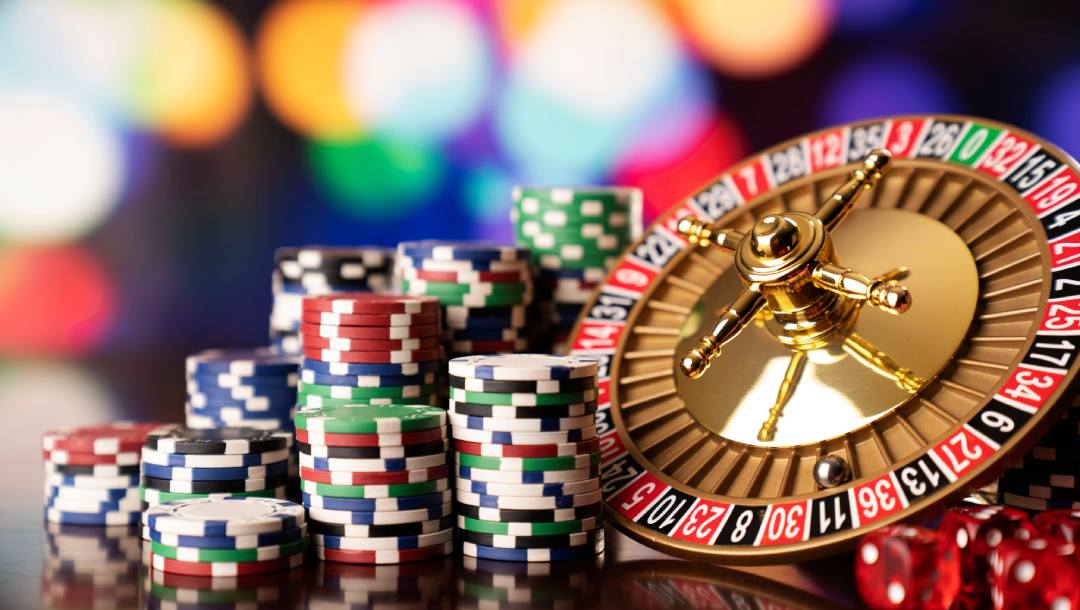
For example, some players may insist on entering a casino through specific doors or using particular machines based on a belief that luck is associated with certain actions. This behavior is often rooted in the desire for control over randomness, which can be comforting amid uncertainty. However, such practices can lead to misguided expectations and may even interfere with rational decision-making when it comes to wagering. By relying on superstitions, players may detract from their ability to make informed choices based on game strategy.
It is essential for gamblers to recognize that while superstitions are a fun cultural aspect of the gaming world, they do not impact the inherent randomness of games. Instead of relying on luck-driven beliefs, players should focus on understanding the mechanics of games and employ strategic gameplay where applicable. By separating superstition from actual gameplay strategy, gamblers can approach their experience with a clearer mindset and better enjoyment. Engaging critically with their beliefs can enhance their overall gaming experience.
A Resource for Educated Gamblers
As myths surrounding gambling continue to proliferate, it’s crucial for players to seek out reliable resources that provide factual, balanced information about the gaming world. Websites and platforms that are dedicated to gambling education can help dispel common myths, promote responsible gaming practices, and provide insights into effective strategies for various casino games. Through these channels, gamblers can learn the intricacies of different games and make educated decisions based on facts rather than fiction.
In addition to factual content, these platforms often highlight the importance of responsible gambling, offering guidelines and support for individuals who may be struggling with gambling-related issues. By fostering a community of informed players who recognize the potential pitfalls as well as the excitement of gambling, these resources contribute to a healthier gambling culture. Engaging with such materials encourages players to think critically about their habits and fosters a more responsible gaming landscape.
Ultimately, educating oneself about gambling myths can empower players to enjoy their experience responsibly and with a better understanding of the realities of gaming. Engaging with reputable websites and resources not only enhances the enjoyment of gambling but also promotes informed decision-making that can lead to more fulfilling experiences in the gaming world. Players who take the time to educate themselves will undoubtedly find their gaming experiences enriched and their understanding of the games deepened.