Planear os orçamentos municipais com as crianças
Overview The ‘Children’s Participatory Budget Council’ is an innovative approach aimed at fostering citizenship among children and teenagers. It is based on the use of a small portion of the municipal budget for priorities decided upon by children and teenagers aged between 9–15 years. Location:Rio de Janeiro, Brazil Organisation:Barra Mansa City Council Government Partner organisations:Urban […]
Conceber ruas para serem partilhadas
Visão geral As “Ruas Partilhadas” são uma estratégia de planeamento da mobilidade sustentável que dá prioridade à segurança e ao conforto das pessoas em detrimento dos automóveis, alterando a forma como as ruas são utilizadas e partilhadas por diferentes modos de transporte. Com base em evidências, esta tática visa criar um ambiente mais equitativo e […]
Criar parques satélites mais acessíveis
Visão geral O projeto “Play Satellites” é uma rede interligada de espaços de recreio ligados por percursos seguros. Os parques infantis funcionam como locais onde as crianças mais velhas podem ir de forma autónoma e as crianças mais novas podem ir com os pais, mas apenas se estes tiverem tempo suficiente para lá ir. A […]
Parques inclusivos em contextos vulneráveis
Visão geral Quatro “Parques Inclusivos” criados pela Catalytic Action visam promover espaços públicos inclusivos para crianças em locais vulneráveis no Líbano. Embora os espaços públicos inclusivos sejam escassos e muitas vezes não constituam uma prioridade para os municípios locais, são espaços acessíveis a todos, incluindo mulheres, crianças, idosos e pessoas com deficiência. As crianças com […]
A cidade através dos olhos de uma jovem rapariga
Visão geral Niñas a la Escuela (Raparigas à Escola) é uma iniciativa que visa tornar mais visíveis os pontos de vista das raparigas em projectos de design urbano relacionados com a mobilidade e os espaços públicos. A abordagem centra-se na aprendizagem das experiências das raparigas no seu trajeto diário para a escola e nos seus […]
Transformar espaços negativos para crianças vulneráveis
Overview The action-research project ‘Spatial Impressions: Identity, Shelter, and Awareness’ aims to promote resilience and reframe the realities of vulnerable children who have been subjected to violence. The project explores how architecture can transform negative connotations into positive experiences through spatial perception, play, and exploration. It seeks to understand how children perceive and conceive places […]
Transformar espaços negligenciados através de um design lúdico
Overview Tamaulipas é uma instalação urbana permanente que incentiva o jogo entre gerações. O local, semelhante a um jardim, tinha uma reputação negativa, com iluminação e manutenção deficientes e consumo de drogas. A insegurança dos vizinhos e dos visitantes afastava-os ou obrigava-os a percorrer caminhos mais longos até ao jardim de infância, à escola primária […]
Transformar um pátio de escola num oásis verde
Descrição geral: O programa OASIS transforma os pátios das escolas parisienses em oásis verdes acessíveis tanto aos alunos como às comunidades locais. Os jardins educativos ensinam as crianças sobre a natureza e a jardinagem, ao mesmo tempo que proporcionam sombra e gestão das águas pluviais. O projeto trabalhou com 10 escolas de 2019 a 2021, […]
Transforming a schoolyard into a green oasis
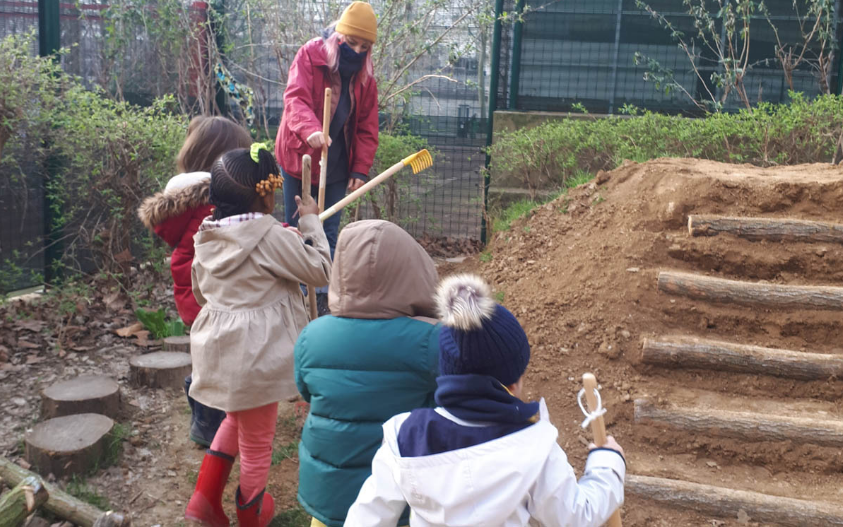
Overview The OASIS programme transforms Parisian schoolyards into green oases accessible to both pupils and local communities. Educational gardens teach children about nature and gardening, while also providing shade and storm-water management. The project worked with 10 schools from 2019 to 2021, involving pupils, teachers, parents and other stakeholders in the transformation process. The aim […]
Transforming neglected spaces through playful design
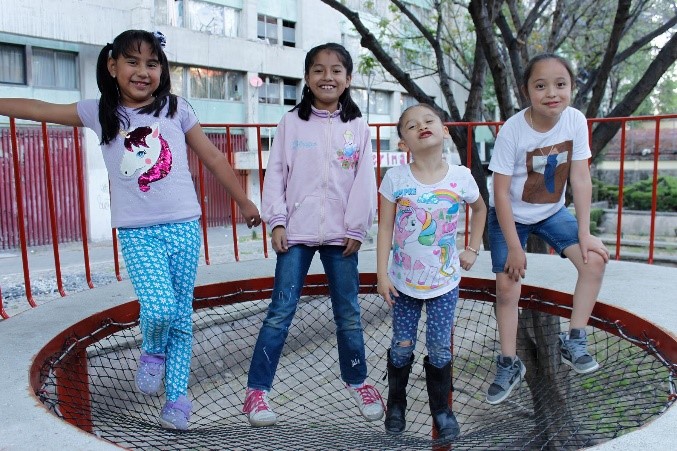
Overview Tamaulipas is a permanent urban installation that encourages play between generations. The garden-like site had a negative reputation, with poor lighting and maintenance and drug use. Insecurity of the neighbours and visitors drove them away or forcing them to take longer routes to the kindergarten, primary school, and two nearby apartment buildings. The intervention […]
Transforming negative spaces for vulnerable children
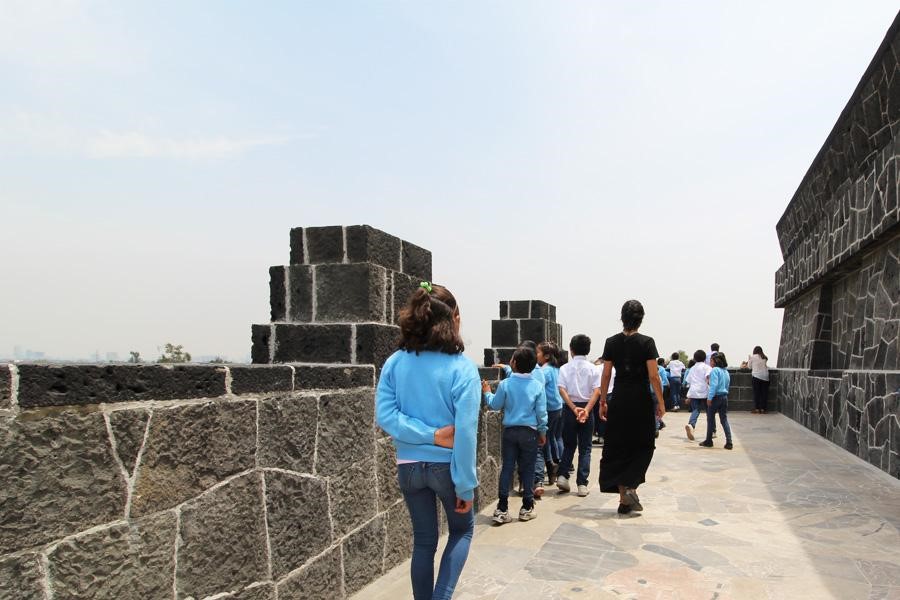
Overview The action-research project ‘Spatial Impressions: Identity, Shelter, and Awareness’ aims to promote resilience and reframe the realities of vulnerable children who have been subjected to violence. The project explores how architecture can transform negative connotations into positive experiences through spatial perception, play, and exploration. It seeks to understand how children perceive and conceive places […]
The city through a young girl’s eyes
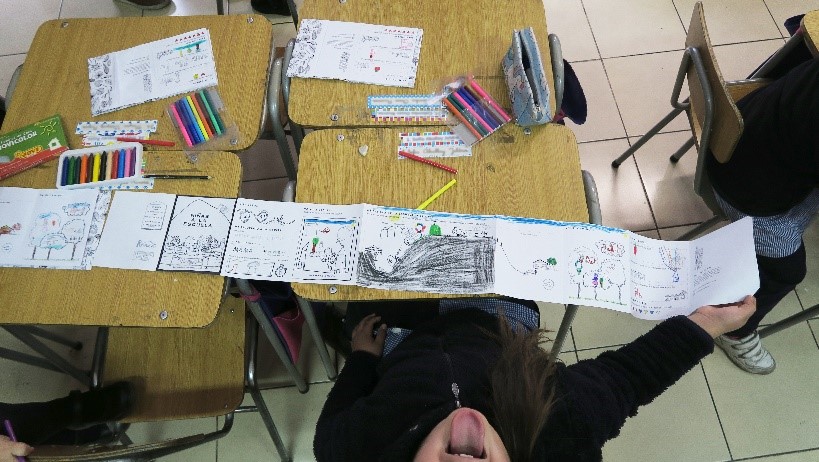
Overview Niñas a la Escuela (Girls to School) is an initiative that aims to make girls’ points of view more visible in urban design projects related to mobility and public spaces. The approach focuses on learning about girls’ experiences of their daily journey to school and their walking routes through their neighbourhood, which is recorded […]
Inclusive parks in vulnerable contexts
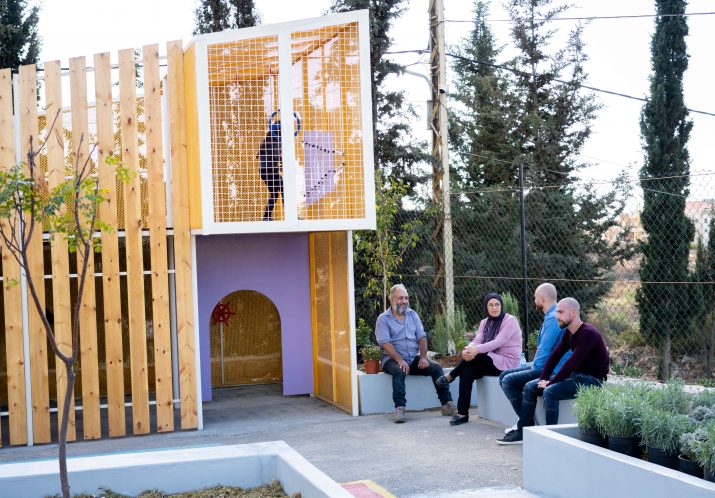
Overview Four ‘Inclusive Parks’ created by Catalytic Action aim to promote inclusive public spaces for children in vulnerable locations in Lebanon. While inclusive public spaces are scarce and often not a priority for local municipalities, they are spaces accessible to everyone, including women, children, elderly, and people with disabilities. Children with disabilities greatly benefit from […]
Creating more accessible satellite parks
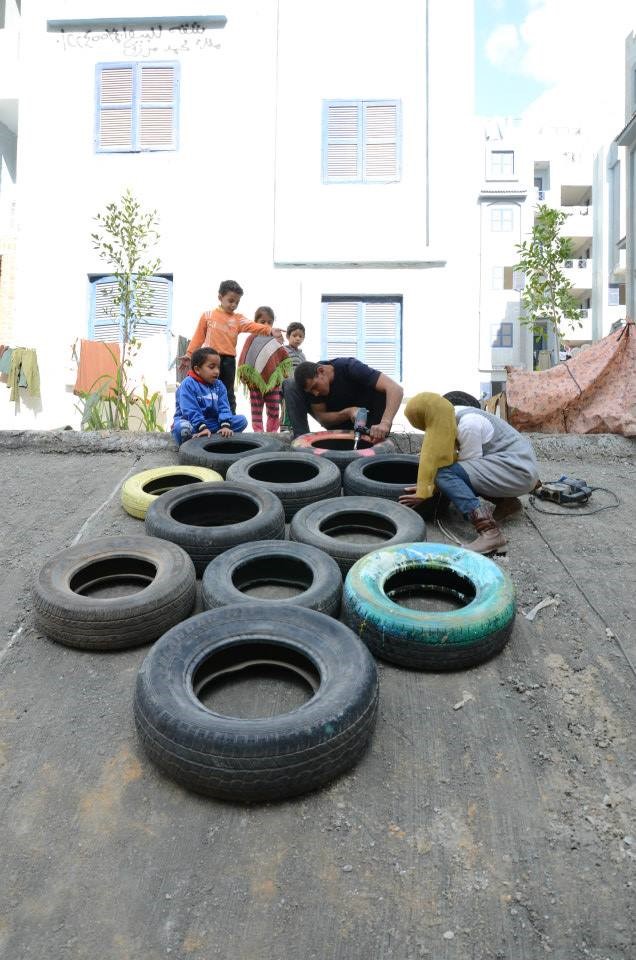
Overview The ‘Play Satellites’ project is an interconnected network of play spaces connected by safe routes. Playgrounds function as placces older children can go independently, and younger children can go with their parents, but only if the parents have enough time to go there. Play is more often seen as an outing. By creating several […]
Designing streets to be shared
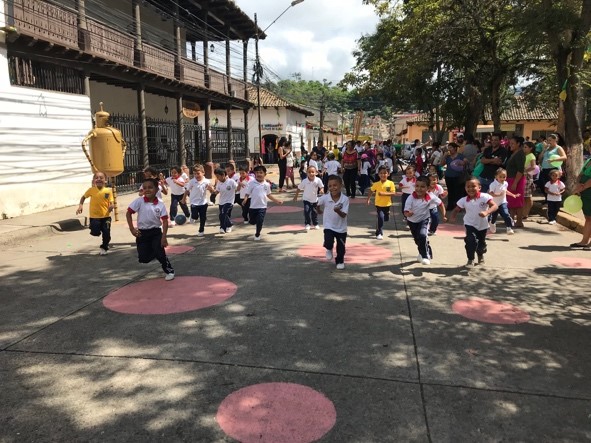
Overview ‘Shared Streets’ is a sustainable mobility planning strategy that prioritizes people’s safety and comfort over cars, by changing the way that streets are used and shared by different modes of transport. Based on evidence, this tactic aims to create a more equitable and inclusive environment, allowing all users to coexist harmoniously. By rethinking the […]